Estimating debris before choosing a construction debris dumpster rental is one of the most important steps in any remodeling, renovation, or building project. Whether you are a homeowner tackling a DIY upgrade or a contractor managing a large commercial site, proper waste estimation prevents unexpected expenses, delays, and safety hazards.
In the introduction, we will look at why understanding your debris volume is crucial and how a well-planned construction debris dumpster rental can reduce stress, eliminate clutter, and keep your project running smoothly. Using the right construction debris dumpster rental strategy ensures that your waste is handled responsibly, efficiently, and within regulations.
Most people underestimate the amount of debris created during construction jobs. Even a small bathroom renovation can generate more waste than expected. If your estimate is too low, your construction debris dumpster rental might overflow, forcing you to schedule additional pickups. If your estimate is too high, you may end up paying for unused space. Because of this, correctly sizing your construction debris dumpster rental becomes essential for financial and practical reasons.
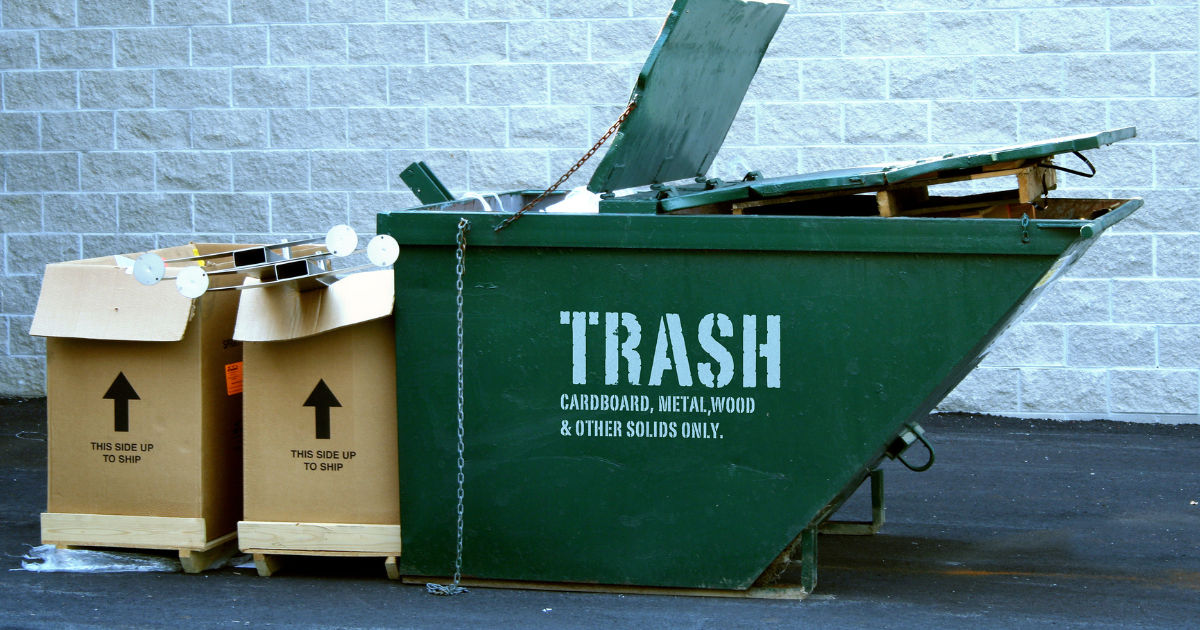
In this comprehensive guide, you will learn how to evaluate debris, measure volume, identify material types, and select the right size dumpster. This guide walks you through every step in clear, short paragraphs designed for a 12th-grade audience, ensuring that you can plan your construction debris dumpster rental with confidence.
Why Debris Estimation Matters
Proper debris estimation plays a crucial role in project planning. When you understand how much waste your job will create, you can choose the ideal construction debris dumpster rental size and avoid unnecessary disruptions.
Preventing Project Delays
When your dumpster fills up too quickly, work must stop until the container is emptied or replaced. This pause can be costly. Selecting the correct construction debris dumpster rental upfront keeps your team productive and your timeline intact.
Managing Costs
Dumpster rentals have fixed price tiers based on size and weight. Overestimating or underestimating affects your budget. A precise estimate helps you secure a construction debris dumpster rental that fits your needs without overspending.
Ensuring Safety
Debris piling up around a construction site creates safety hazards. When your construction debris dumpster rental is properly sized, debris is removed promptly, reducing the risk of slips, falls, and structural hazards.
Understanding Types of Construction Debris
One of the biggest factors in estimating waste is understanding what materials you’ll be disposing of. Each type of debris contributes differently to the volume and weight of your final construction debris dumpster rental load.
Wood Waste
Wood from framing, flooring, and cabinetry produces bulky debris. Wood tends to take up significant space, so your construction debris dumpster rental should account for high volume even if the weight is moderate.
Drywall and Plaster
Drywall generates a surprising amount of dust and broken panels. It is lightweight but bulky. When planning a construction debris dumpster rental, consider that drywall may require more dumpster space than anticipated.
Concrete, Brick, and Masonry
These materials are extremely heavy. If your project includes concrete demolition, ensure your construction debris dumpster rental can handle the weight limits. Overfilling with dense material may incur extra charges.
Roofing Materials
Shingles, underlayment, and flashing add up quickly. Even a simple roof repair can generate several tons of waste. Your construction debris dumpster rental must account for the combined volume and weight of layered roofing debris.
Metal
Metals like piping, studs, and fixtures are often recyclable. While they may be lighter, they can be long and awkward. Choosing the right construction debris dumpster rental ensures they fit easily without protruding.
Household Fixtures and Appliances
Renovation projects often involve removing bathtubs, cabinets, sinks, doors, and more. These large items require a spacious construction debris dumpster rental that can handle irregular shapes.
Steps to Estimate Construction Debris
Accurate debris estimation requires a systematic approach. Below, you’ll find clear, practical steps that help you determine the size of your needed construction debris dumpster rental.
Step 1: Break Down the Project Scope
Start by listing each task involved in your project. A kitchen remodel, for example, might include cabinet removal, flooring demolition, appliance disposal, countertop removal, and wall replacement. Each component contributes to your construction debris dumpster rental needs.
Step 2: Identify Materials Involved
For every item on your list, note the material type. Wood, tile, metal, and drywall each affect the volume and weight of your construction debris dumpster rental load differently. Being detailed helps avoid miscalculations.
Step 3: Measure the Area Being Removed
If you are replacing flooring, measure the square footage. For walls, calculate the height and length. These measurements indicate how much material will go into your construction debris dumpster rental.
Step 4: Convert Measurements Into Volume
Use basic formulas to estimate cubic yards. Dumpsters are measured in cubic yards, so translating your material volume into that measurement is essential when selecting your construction debris dumpster rental.
Example:
A 10 ft × 12 ft room with drywall on four walls:
• 10 × 8 ft wall
• 12 × 8 ft wall
Multiply area by thickness to approximate volume.
This approach ensures your construction debris dumpster rental size is based on real calculations rather than guesses.
Step 5: Consider Bulkiness and Air Space
Debris rarely packs tightly. Boards, broken tile, jagged drywall pieces, and bent metal all trap air. To avoid underestimating, add 30% extra space to your construction debris dumpster rental calculation.
Step 6: Factor in Weight Limits
Even if your debris fits physically, dumpsters have weight restrictions. Dense materials like concrete or roofing shingles can exceed allowable weights quickly. Choose a construction debris dumpster rental designed specifically for heavy materials if needed.
Common Dumpster Sizes and What They Hold
Dumpster sizes typically range from 10 to 40 cubic yards. Selecting the correct construction debris dumpster rental size prevents overflowing or underfilling.
10-Yard Dumpster
Best for:
• Small bathroom remodels
• Light cleanup projects
• Minimal drywall or flooring waste
A 10-yard construction debris dumpster rental is ideal for smaller tasks but fills quickly when bulky materials are involved.
20-Yard Dumpster
Best for:
• Medium remodels
• Roofing projects under 30 squares
• Shingle removal
The 20-yard construction debris dumpster rental is the most popular because it balances capacity and affordability.
30-Yard Dumpster
Best for:
• Full home renovations
• Large room additions
• Commercial cleanouts
A 30-yard construction debris dumpster rental handles significant waste from demolition or multi-room projects.
40-Yard Dumpster
Best for:
• Major structural work
• Large commercial sites
• High-volume debris
A 40-yard construction debris dumpster rental is suitable for large-scale construction or industrial waste.
How Different Materials Affect Volume and Weight
Estimating debris means understanding how materials behave in a dumpster. This section explains how to match materials to your construction debris dumpster rental capacity.
Drywall
Takes up lots of space but weighs less. It compresses easily but still fills a dumpster quickly. A larger construction debris dumpster rental prevents overflow.
Tile
Heavy and compact. Even small areas produce significant weight. Always check weight limits when choosing a construction debris dumpster rental.
Lumber
Long boards and beams create awkward shapes. They require extra space in your construction debris dumpster rental for safe placement.
Roofing Shingles
High weight density. Shingles add up fast, so a construction debris dumpster rental must be rated for heavy loads.
Concrete
One cubic yard can weigh over 4,000 pounds. Use a specialized construction debris dumpster rental designed for dense materials.
Examples of Debris Estimations
Here are practical scenarios to help you estimate your own project’s construction debris dumpster rental needs.
Example 1: Bathroom Remodel
Debris includes:
• Tile (floor + shower)
• Drywall
• Toilet
• Vanity
• Small cabinetry
Total waste: about 1,000–1,500 lbs
Recommended construction debris dumpster rental: 10–20 yards.
Example 2: Kitchen Renovation
Debris includes:
• Cabinets
• Countertops
• Appliances
• Flooring
• Drywall
Total waste: 2,000–4,000 lbs
Recommended construction debris dumpster rental: 20–30 yards.
Example 3: Roof Replacement
Debris includes:
• Shingles
• Underlayment
• Flashing
One roofing square ≈ 250–300 lbs
A 2,000 sq ft roof generates about 3 tons of waste.
Recommended construction debris dumpster rental: 20 yards.
Example 4: Whole-Home Renovation
Debris includes:
• Flooring
• Drywall
• Lumber
• Fixtures
• Roofing
• Exterior siding
Total waste: 6–12 tons
Recommended construction debris dumpster rental: 30–40 yards.
Tips for Choosing the Right Dumpster Rental Company
Selecting the right provider is as important as estimating debris correctly. A professional construction debris dumpster rental service makes waste management effortless.
Look for Clear Pricing
Avoid companies that charge hidden fees. Transparent pricing ensures your construction debris dumpster rental stays within budget.
Ask About Weight Limits
A responsible company will clearly explain the weight thresholds of each construction debris dumpster rental size to help you avoid overage charges.
Check Pickup and Delivery Options
Flexible schedules prevent project delays. A good construction debris dumpster rental provider accommodates your timeline.
Verify Allowed Materials
Some items may require special handling. A reliable construction debris dumpster rental company will provide a full list of accepted debris.
Read Customer Reviews
Reviews often reveal real experiences. Look for consistent reliability and quality in construction debris dumpster rental services.
Environmental Considerations
Waste disposal is not just about convenience. A responsible approach ensures your construction debris dumpster rental contributes to safe, eco-friendly practices.
Recycling Opportunities
Metals, concrete, wood, and cardboard can often be recycled. Some construction debris dumpster rental companies offer sorting options.
Hazardous Materials
Chemicals, paints, asbestos, and certain electronics require special handling. Never place them in a standard construction debris dumpster rental.
Reducing Waste
Consider reusing cabinets, fixtures, and lumber before tossing them. Reducing waste lowers the volume needed for your construction debris dumpster rental.
Common Mistakes to Avoid
Here are common errors that can affect your construction debris dumpster rental planning.
Underestimating Debris
This is the most frequent mistake. Always assume debris expands when broken apart. Better to choose a slightly larger construction debris dumpster rental.
Ignoring Weight Restrictions
Exceeding weight limits leads to extra charges. Match your materials to the appropriate construction debris dumpster rental capacity.
Choosing the Wrong Shape
Some dumpsters are longer or taller. Select a construction debris dumpster rental shape that matches your materials.
Not Planning Placement
Dumpsters require space and solid ground. Plan your construction debris dumpster rental location before delivery.
Final Checklist Before Renting
Before finalizing your construction debris dumpster rental, go through this simple checklist:
• Have you measured your project area?
• Did you calculate volume plus extra space?
• Do you know the material types?
• Have you reviewed weight limits?
• Did you choose the right dumpster size?
• Have you checked company policies?
• Is there enough space for delivery?
Conclusion
Estimating construction debris is a crucial part of any renovation, demolition, or building project. When you take the time to measure your materials, calculate volumes, and evaluate waste types, you gain the clarity needed to select the perfect construction debris dumpster rental. Choosing correctly prevents delays, avoids extra costs, enhances site safety, and ensures a more efficient workflow.
A well-planned construction debris dumpster rental helps you manage clutter, maintain productivity, and dispose of materials responsibly. Whether you are tackling a small home improvement or a large commercial project, understanding debris estimation ensures that your work stays organized from start to finish. By applying the steps and strategies outlined in this guide, you will be able to select the right construction debris dumpster rental with confidence, accuracy, and peace of mind.